



There are many variations of passages of Lorem Ipsum available, but the majority have suffered alteration in some form, by injected humour believable.
Worldwide Market Update
Global developments and geopolitical escalations are increasingly impacting economies, markets and logistics chains. Our teams continuously monitor these situations and work hard to minimize any impact on your supply chain. As a logistics chain director and knowledge partner, Seacon keeps a close eye on the international landscape. Via this page, we inform you about relevant market trends, disruptions and structural changes within the logistics chain.
Do you have questions or need advice? Then feel free to get in touch via the contact form below or via your Seacon contact person.
Agility as a competitive advantage, these developments reinforce a trend we have been seeing at Seacon Logistics for some time. Resilient supply chains require flexibility, scenario planning and smart routing decisions. In a market characterised by:
it is essential not just to react, but to anticipate and prepare. Seacon supports shippers with:
Curious to know what these market developments mean for your supply chain?
Roel Gilbert
Business Solutions Specialist
+31 (0)77 327 5446
rgilbert@seaconlogistics.com
Let's Connect
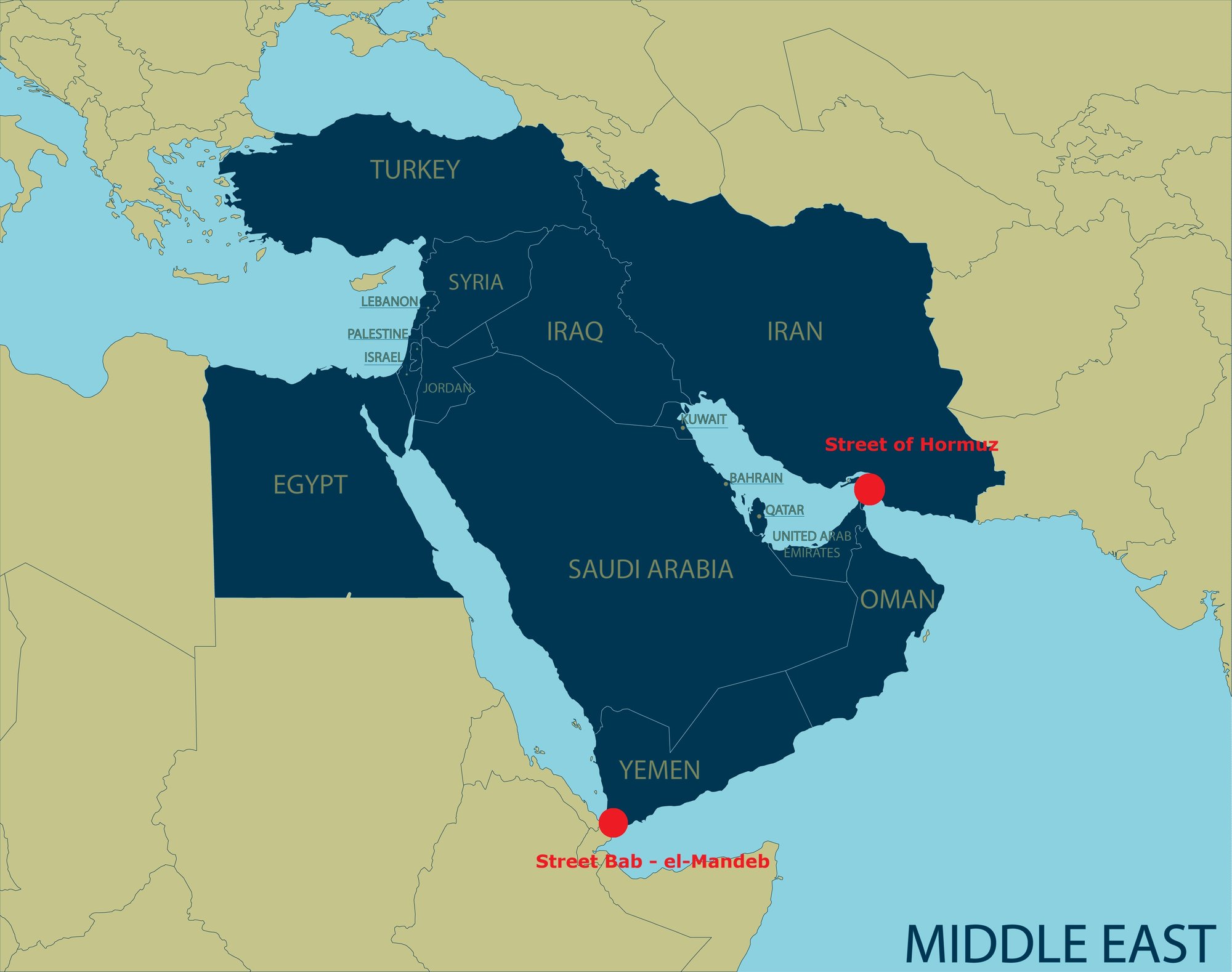
Iran-backed Houthi forces have captured the strategic Yemeni port city of Mokha and are reportedly expanding their presence towards the Bab al-Mandab Strait, the critical maritime gateway connecting the Red Sea with the Gulf of Aden. Recent reports also indicate increased Houthi activity around several islands located near the shipping corridor.
The developments increase geopolitical tensions in a region that has already experienced disruptions to commercial shipping over the past several years. As a result, the maritime industry is closely monitoring the situation due to its strategic importance for global trade and supply chains between Asia and Europe.
Seacon Outlook
The Bab al-Mandab Strait is one of the world's most strategically important maritime chokepoints. It serves as the southern gateway to the Red Sea and the Suez Canal, providing a direct connection between Asia, the Middle East and Europe. A significant share of global containerised trade and seaborne commodities passes through this corridor every year. For vessels travelling from Asia to Europe, the route through the Bab al-Mandab Strait and the Suez Canal is the shortest and most efficient option. If security concerns lead carriers to avoid the region, ships may be forced to reroute around the Cape of Good Hope in Southern Africa, resulting in longer transit times, increased fuel consumption and higher operating costs.
At the time of writing, commercial shipping continues to transit through the Red Sea and the Suez Canal. However, the latest developments highlight the ongoing vulnerability of this critical trade corridor. While it is too early to determine any direct impact on global supply chains, the situation warrants close monitoring. Any escalation in security risks within the region could influence vessel routing decisions, transit reliability, and operational costs across Asia-Europe trade lanes.
Seacon is continuously monitoring developments in the Red Sea region and will provide updates should the situation materially affect international transport flows.
11-09-2026 Source NT.nl
07-09-2026 Source NT.nl
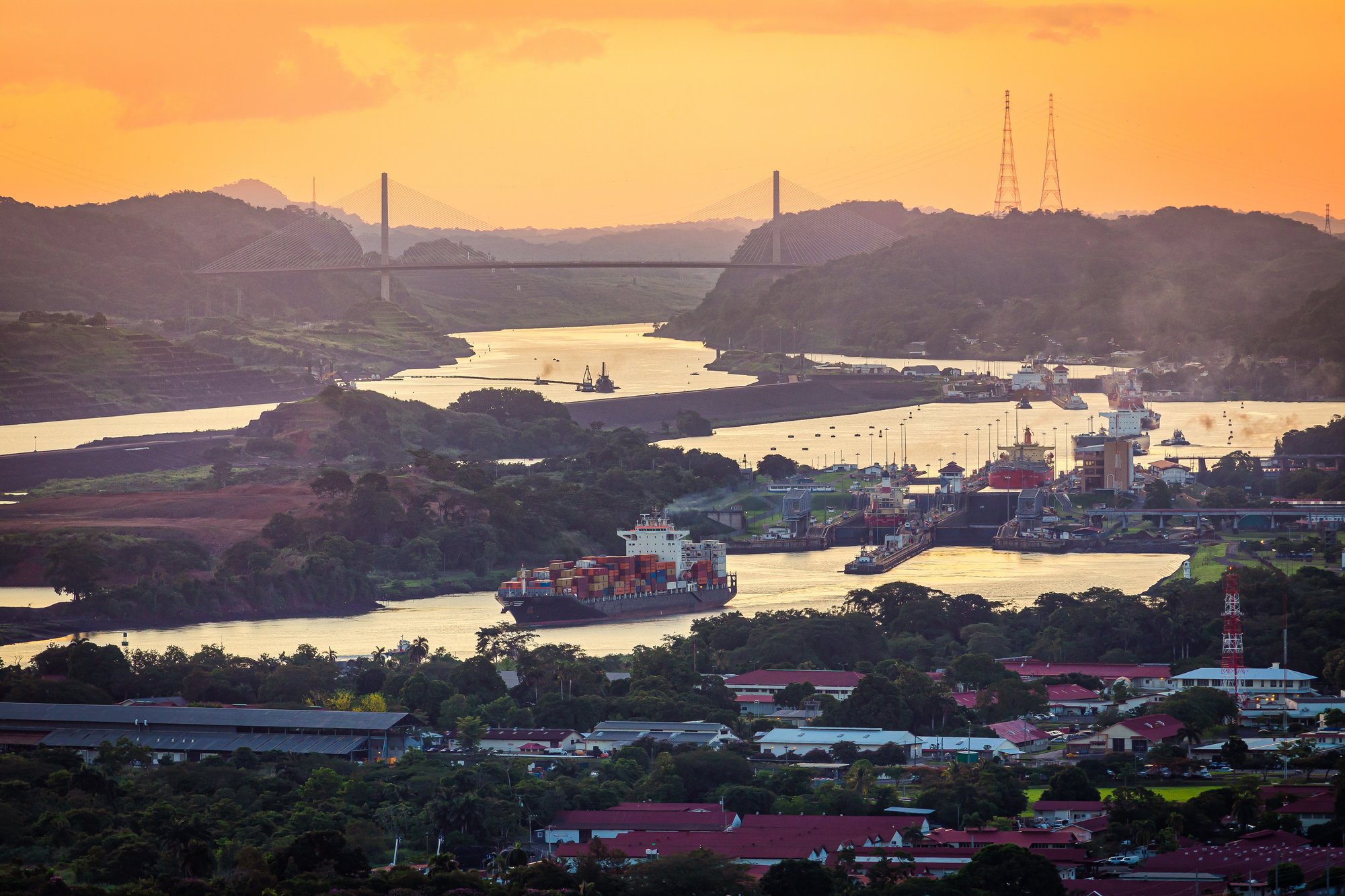
From 9 September, 02:00 hrs until 10 September, 02:00 hrs, a nationwide strike in the Dutch railway sector is expected to impact rail operations across the Netherlands. As a result, significant disruptions to rail services are anticipated during this period.
Intermodal transport services that rely on rail connections may experience delays and operational disruptions. Consequently, transit times, arrivals and deliveries may deviate from standard schedules.
Together with our logistics partners, Seacon is closely monitoring the situation and taking all possible measures to minimise the impact on supply chains. However, due to circumstances beyond the control of Seacon and the parties involved, service interruptions and delays cannot be fully excluded.
Customers with shipments planned during this period are advised to take potential delays into account. We will continue to monitor developments and provide updates where relevant.
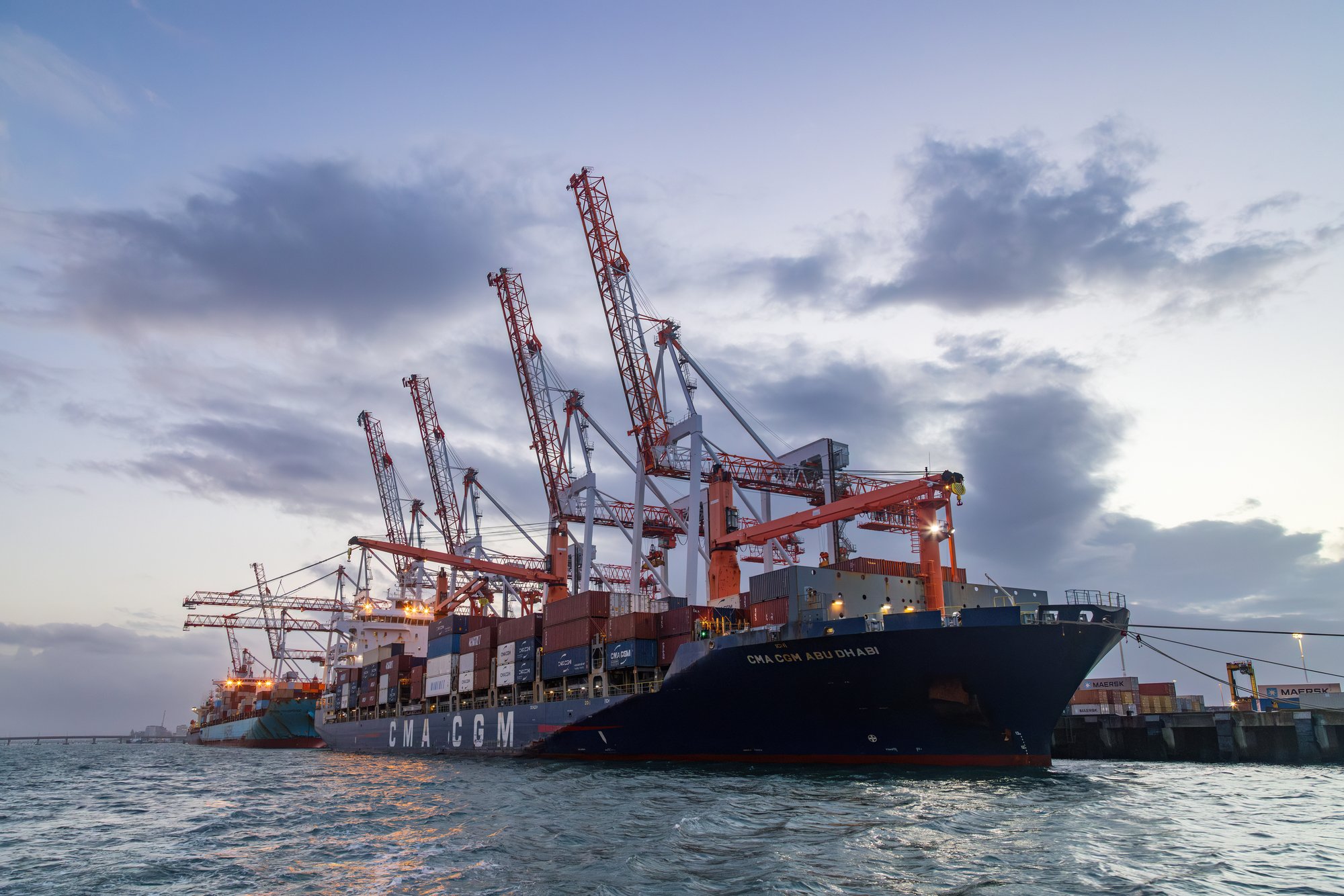
The reliability of container shipping continues to come under pressure. According to data from Sea-Intelligence, vessels that arrive late are now delayed by an average of five to five and a half days, compared to three to four days before the pandemic.
Schedule reliability has also declined. Currently, only 60 to 65% of scheduled arrivals reach their destination on time, whereas before 2020 this figure ranged between 70 and 80%. Researchers point to port congestion, typhoon-related disruptions in Asia and persistently high export volumes as key contributing factors. For shippers, this means supply chains are becoming less predictable and planning requires greater flexibility than ever before.
Read the full article on Logistiek.nl for more insights and detailed figures.
Seacon Outlook: Delays at sea are no longer an exception but a structural factor within the global supply chain. As a result, visibility and proactive supply chain management are becoming increasingly important. By identifying risks early and implementing alternative solutions, the impact of disruptions can be significantly reduced. In a market where sailing schedules are becoming increasingly unpredictable, visibility makes all the difference. Curious about how Seacon can help keep your supply chain agile and resilient? Our experts are ready to support you.
18-08-2026 Source Logistiek.nl
As a result, longer transit times and schedule disruptions can be expected on several Far East shipping services.
Port congestion is also impacting the availability of empty containers, leading to equipment shortages and potential additional delays. Customers are advised to plan and book shipments as early as possible.
Seacon Logistics continues to closely monitor the situation and will keep customers informed of any significant developments.
-3.png?width=1080&height=1080&name=seacon%20logistics%20(7)-3.png "seacon logistics (7)-3")

Working smarter with AI – without losing the human touch
At Seacon, innovation starts on the work floor. Instead of treating digitalisation as an IT-only project, employees actively contribute to improving processes using modern tools and AI. A key example is Seacon’s control tower, where AI scans global news for disruptions such as strikes or weather events and translates these into potential impacts on supply chains. This enables faster analysis and more proactive communication towards customers—while decisions remain firmly in human hands. AI is also used to automate repetitive administrative tasks, such as processing emails and matching shipment data. By reducing manual work, Seacon increases efficiency, data quality and response speed.
Customer value: visibility, speed and control
Seacon’s approach to supply chain orchestration focuses on solving real customer challenges. By mapping the entire supply chain and identifying bottlenecks, tailored solutions are created—from carrier selection to alternative routing options. For customers, this results in:
Looking ahead
Seacon’s ambition is clear: to achieve more with the same team by working smarter. By strengthening its data foundation and scaling AI step by step, the company continues to build a future-ready logistics operation—where technology supports better service, not replaces it.

What does this mean for logistics?
What does this mean for logistics?

Logistics is of major economic importance to the Netherlands, generating an estimated €214 billion in added value, equivalent to almost 22% of GDP. Within this sector, inland shipping stands out for combining high economic value with significantly lower societal and infrastructure costs than road transport. Transport by water supports international supply chains efficiently and sustainably, although further fleet decarbonisation remains essential.
12-05-2026 - Sources Logistiek.nl
20-05-2026 - Source Logistiek.nl
12-05-2026 - Sources Logistiek.nl
08-05-2026 - Source Logistiek.nl
08-05-2026 - Sources NT.nl
Despite growing geopolitical tensions, the global container market is not heading for a collapse. That was the key message from a recent Drewry webinar. The consultancy expects global container volumes to grow by around 1.8% in 2026. Even in a pessimistic scenario, where disruptions in the Middle East persist for longer, Drewry still forecasts modest growth. The regional impact is more pronounced.
Due to the blockage of the Strait of Hormuz, container ports in the Persian Gulf have become difficult to access and freight rates have risen sharply. At the same time, the industry is proving highly adaptable, with alternative routes and ports such as Jeddah and Aqaba gaining importance. A large-scale return to the Suez Canal route also remains uncertain. Most Asia–Europe traffic continues to sail via the Cape of Good Hope, a route that is increasingly becoming a structural part of liner services. While Drewry does not expect major shifts in container rates overall, fuel surcharges remain high, making careful contract negotiations essential for shippers.
17-04-2026 - Source NT.nl
At the initiative of French President Emmanuel Macron and UK Prime Minister Keir Starmer, talks will be held on Friday on reopening the Strait of Hormuz to commercial shipping once the war has ended. This was announced in Paris and London. The meeting in Paris will bring together countries willing to participate in a defensive mission. The aim is to develop an international plan focused on ensuring the safety of maritime traffic. Discussions will also cover the option of imposing financial sanctions on Iran should it continue to block this strategically important waterway. Around forty countries are expected to take part in the video conference, which will be co‑chaired by Macron and Starmer. According to a source cited by Reuters, the proposal includes the creation of four working groups, each addressing a specific aspect of maritime transit.
14-04-2026 - Sources NOS/Reuters
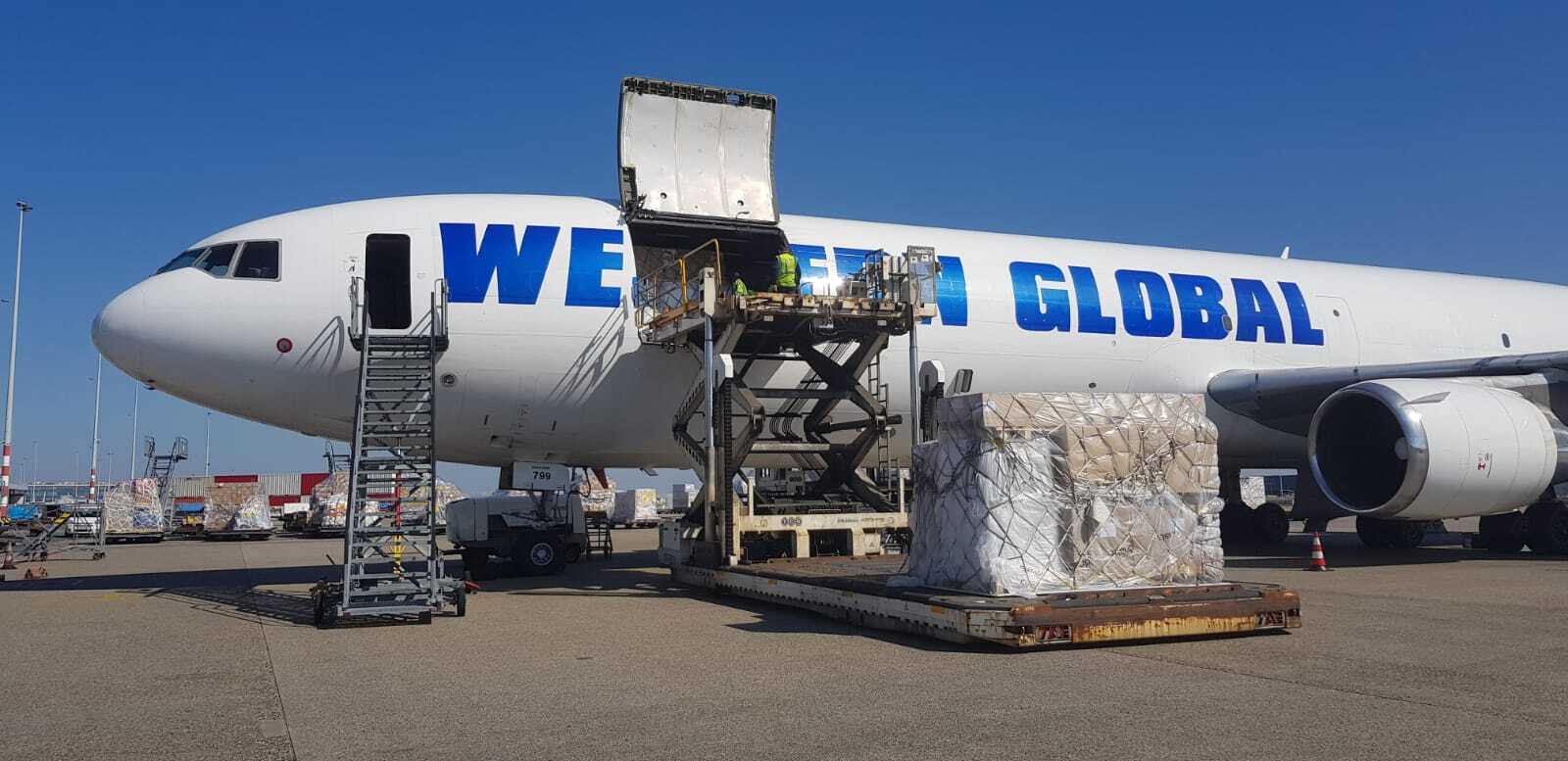
Airlines are quietly increasing fuel surcharges in air freight. In addition to already rising freight rates, fuel surcharges charged by major air cargo carriers have tripled in a short period of time, and in some cases are being increased even further. The main driver is the sharp rise in kerosene prices, which are now around 100% higher than before.
According to market information reported by Nieuwsblad Transport, Emirates SkyCargo has raised its fuel surcharge to USD 1.61 per kilo on intercontinental routes. Cathay Pacific Cargo has followed suit, increasing its surcharges by approximately 300%. As a result, shippers on routes such as Far East – Europe are facing total air freight costs of up to USD 5 per kilo.
Airlines are communicating these increases only to a limited extent, partly due to historic cartel cases related to fuel surcharges. Recent signals suggest that the current tripling of surcharges may already be outdated, with some carriers moving towards a fourfold increase compared to pre–Iran war levels.
14-04-2026 - Source NT.nl
What does this mean for Seacon customers?
13-04-2026 - Source cnv.nl
13-04-2026 - Source NT.nl
The recently announced ceasefire between the United States and Iran is facing early pressure due to conflicting reports about the status of the Strait of Hormuz. Iran initially indicated that the strategic waterway had been reopened shortly after the ceasefire came into effect, but later state media reported that the strait was closed again. These developments followed Israeli strikes in Lebanon, which Iran and Pakistan claim were covered by the ceasefire – a position denied by the US and Israel.
09-04-2026 - Source NT.nl
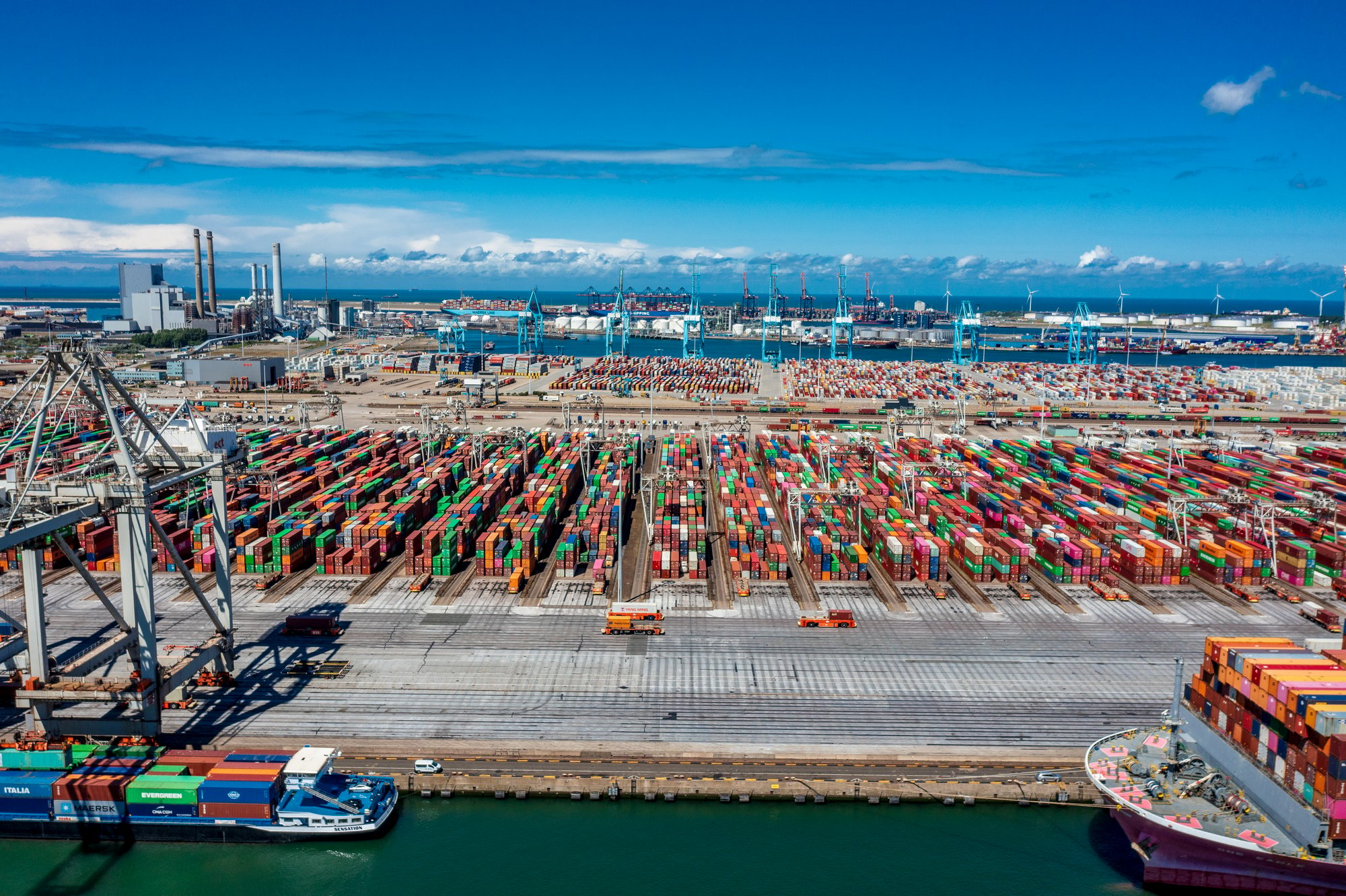
Without swift intervention, one-hour traffic jams could become the new normal around the Port of Rotterdam within the next ten years. That warning comes from business association Deltalinqs, based on a quick scan conducted by KPMG.
Continued growth in passenger and freight traffic, combined with an increasing maintenance burden, is putting severe pressure on the region’s accessibility. According to Deltalinqs and several industry organisations, immediate action is required. Proposed measures include longer trucks, smarter and phased maintenance planning, autonomous night transport, improved data sharing across the supply chain, usage-based road pricing and an extension of the metro network.
Without coordinated public‑private action, the study warns of structural congestion, rising logistics costs and a weakening of the Netherlands’ competitive position.
08-04-2026 - Source NT.nl
08-04-2026 - Source NT.nl
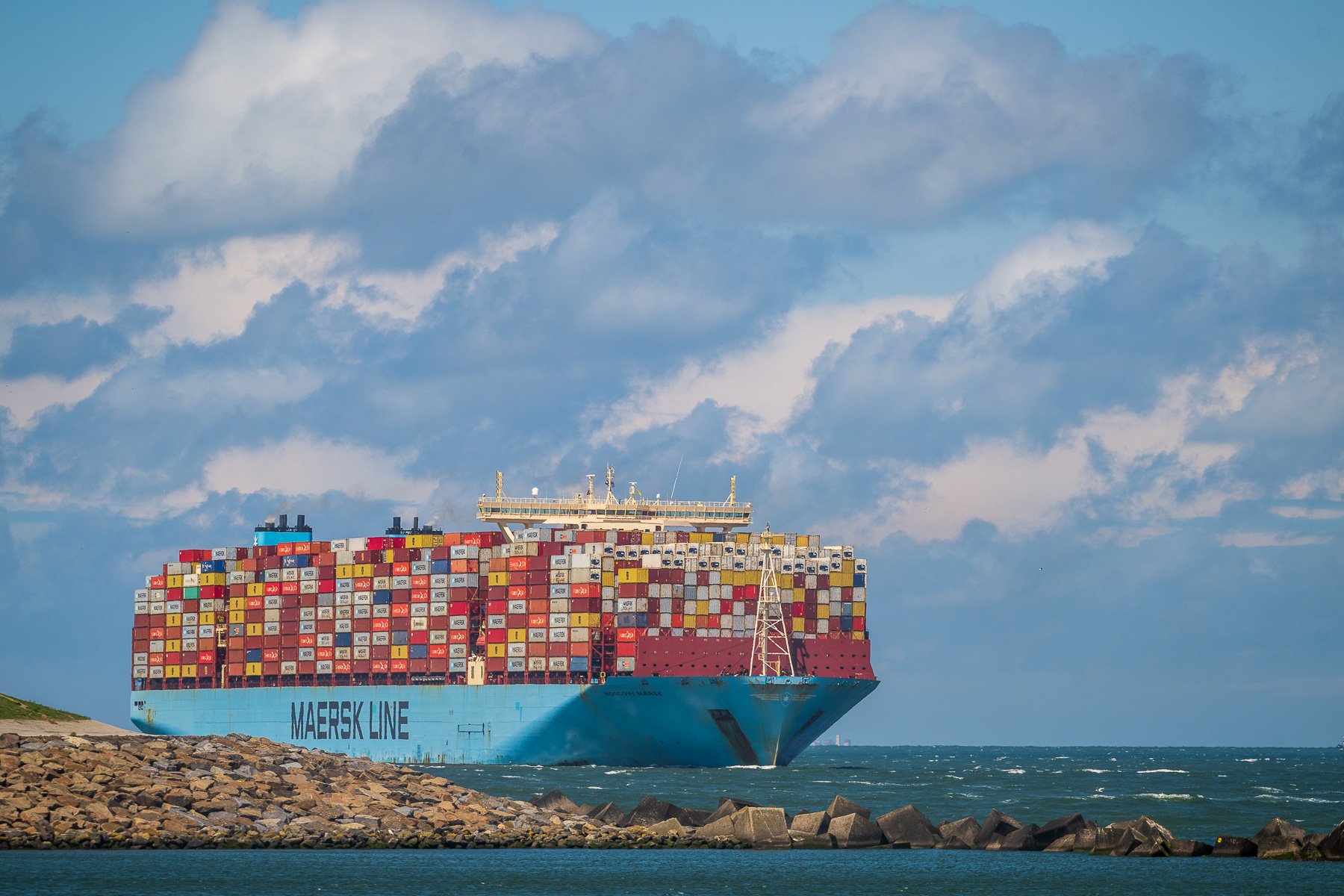
Shipping group Maersk is taking a cautious stance following the two-week ceasefire between the US and Iran. While the agreement may create opportunities for transit through the Strait of Hormuz, Maersk says there is still insufficient security certainty to resume normal operations.
The company has therefore not made any changes to specific services. The conflict had brought shipping in the Gulf region close to a standstill, with significant ripple effects across global supply chains. According to Maersk, restoring full maritime confidence will take time.
08-04-2026 - Source Reuters
The United States and Iran have agreed to a two-week ceasefire, which includes the reopening of the Strait of Hormuz. The agreement took effect immediately following mediation by Pakistan. Under the deal, the US and Israel will halt military operations, while Iran will suspend its attacks. US President Trump stated that a ten-point proposal from Iran provides a workable basis for further negotiations, with follow-up talks scheduled later this week in Islamabad.
Confidence in safe passage will determine pace of recovery
Oil prices react immediately
Financial markets responded quickly to the ceasefire. Oil prices fell sharply on Wednesday morning, including both Brent crude and US crude oil. According to Nieuwsblad Transport, this development may lead to slightly lower diesel prices in the coming days, although this will depend on how markets continue to evolve.
While the reopening of the Strait of Hormuz is seen as a positive signal internationally, the impact on logistics, shipping and supply chains is not yet clear. Market participants are closely watching how the situation develops.
Employment in the transport and logistics sector continued to grow over the past year, reaching nearly 172,000 employees — the highest level since measurements began. Despite this growth, staff shortages remain a major challenge, with 44% of entrepreneurs citing lack of personnel as the primary constraint on business operations.
The shortage of truck drivers remains particularly acute. Although the number of vacancies has declined to around 6,000, demand for drivers is still high. In almost all regions, there are more vacancies than job seekers. At the same time, the total number of truck drivers fell by 0.5% year-on-year to 92,750, continuing a downward trend that has been visible since mid‑2022.
07-04-2026 - Source Logistiek.nl
According to analysts from the International Energy Agency (IEA), Rabobank, and Evofenedex, the logistics sector should prepare for prolonged disruption if the Iran conflict escalates further. The Strait of Hormuz remains effectively closed, and structural damage across the region is already impacting global supply chains.
Key developments (with sources)
Expert Recommendations (Evofenedex)
02-04-2026 - Source NT.nl
Iran has officially approved a toll system for ships passing through the Strait of Hormuz. Vessels must pay $1 per barrel of oil transported, but payment is only accepted in stablecoins (specific cryptocurrencies) or Chinese yuan. Key points:
Impact:
Higher transport costs, Hormuz‑tolls (crypto/yuan only) and rising risk premiums may increase freight and bunker surcharges.
Unpredictable vessel flows, Iran’s approval system based on political “friendliness” creates uncertainty for carriers, leading to possible delays or rerouting.
Increased supply chain volatility, Disruption in this critical chokepoint can impact global fuel prices and planning reliability for energy‑dependent sectors.
02-04-2026 - Source NT
Uncertainty Surrounding US Strategy
Although Trump stated that “strategic core objectives are almost achieved,” he did not clarify what a required ‘deal’ with Iran would entail. It also remains uncertain whether the US is considering deployment of ground forces — a step that could significantly escalate the conflict.
Hormuz Strait Remains a Critical Pressure Point
Trump repeated his earlier message that countries facing fuel shortages should “go to the Strait and pick it up themselves.” Meanwhile, fuel prices in the United States continue to rise, adding pressure on domestic support for the conflict.
What Does This Mean for Logistics and Supply Chains?
02-04-2026 - Source FD
What this means for shippers
Transport operators face significant cost pressure. Although many carriers have surcharge agreements in place, higher fuel expenses often hit them immediately—while the ability to pass on those costs to customers lags behind.
Key takeaway
Shippers should anticipate:
Seacon Logistics will continue monitoring these developments closely to minimize operational impact and maintain supply chain continuity.
31-03-2026 - Source NT.nl
Following new Houthi missile and drone strikes on Israel, the EU naval mission Eunavfor Aspides warns that merchant vessels in the Red Sea may again become targets. The operation states that the Houthi military capabilities remain intact and significant, despite roughly 190 days of calm since their last attack in September.
Background of the Threat
The Houthis previously stayed relatively quiet to avoid US‑Israeli retaliation and to maintain improving relations with Saudi Arabia.
The recent strikes signal, according to the EU, a first step toward renewed engagement in the Iran‑related conflict.
A second step could be the resumption of attacks on commercial vessels within range of Houthi weapon systems, especially in the Red Sea and eastern Gulf of Aden.
Risk Levels for Shipping
Ships linked to the US or Israel, or calling at Israeli ports, now face a high risk.
All other ships face a medium risk.
Logistics Context
The Red Sea has recently emerged as an alternative route for cargo unable to move through the Strait of Hormuz due to the Iran conflict. Some carriers have started new services via Saudi ports like Jeddah and King Abdullah, while large Asia–Europe container lines continue to avoid the Red Sea–Suez corridor.
30-03-2026 - Source NT.nl
Current Situation: Severe Capacity Squeeze
Rates on Asia–Europe routes have increased by 20–25% within a week, with Shanghai–Amsterdam spot rates nearing pandemic levels.
Belly capacity via Gulf hubs remains unreliable due to sudden route changes, pushing shippers toward full freighters where demand now exceeds supply by 15%.
The traditional Dubai Sea-Air route is congested, with transshipment delays rising from 24 to more than 72 hours.
Impact on the Dutch Air Cargo Sector
E‑commerce: B2C flows from China are absorbing available capacity at the expense of general cargo.
Pharma & Life Sciences: Use of the Middle Corridor (Istanbul/Baku) introduces temperature-control risks due to tarmac congestion.
High-Tech: Charter solutions are increasingly required to maintain production continuity.
Perishables: Flower and vegetable exports to the US/Asia face steep cost increases due to priority surcharges needed to secure space.
Updated Scenarios & Emerging Bottlenecks
Istanbul Bottleneck: The Middle Corridor hub has seen a 40% volume surge in three weeks, causing handling delays and impacting Schiphol arrival times.
Shift to Northern Route: More traffic is routed via Alaska (Anchorage) from East Asia to Europe—costlier on fuel but more stable than Middle Eastern alternatives.
Backhaul Focus: Dutch exports temporarily benefit from abundant empty equipment returning to Asia, but irregular schedules challenge planning for exporters.
27-03-2026 - Source NT.nl
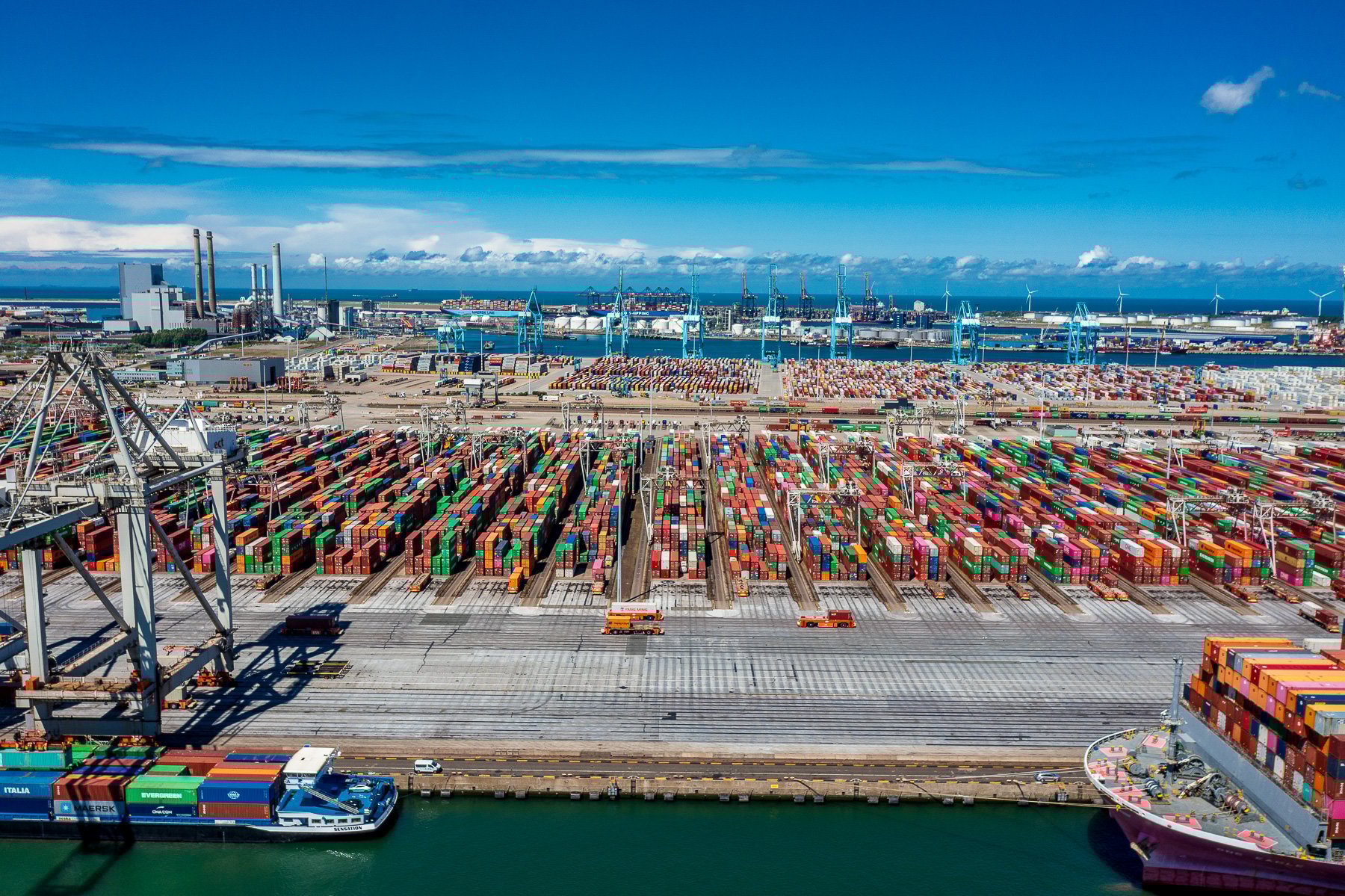
The Port of Rotterdam’s 2025 figures reveal a year defined by shifting global dynamics. Import volumes continue to rise, while export flows lag behind—putting increasing pressure on the overall container balance. Despite this imbalance and an increasingly challenging geopolitical landscape, Rotterdam strengthens its role as Europe’s leading container hub.
These developments align with the insights from the Container Market Outlook 2026, which highlights structural shifts in trade lanes, network configurations and the functioning of the port ecosystem. According to the Port Authority, these trends are no longer forecasts—they are already visible in today’s volumes and operational patterns.
Source Port of Rotterdam
25-03-2026 - Source NOS
24-03-2026 - Source NT.nl
According to reporting by Nieuwsblad Transport, the first vessels have reportedly passed through a newly established Iranian “safe corridor” in the Strait of Hormuz after paying significant toll fees. A containership and several tankers are said to have departed the Persian Gulf via this route, with one Iranian parliamentarian mentioning fees of up to 2 million USD per vessel. Although some Iranian officials deny the existence of such a toll system, multiple ship movements suggest that controlled passage is taking place under Iranian oversight.

The security situation in the Persian Gulf remains highly unstable. According to the Royal Association of Netherlands Shipowners (KVNR), Dutch seafarers working in the region do not feel safe due to ongoing conflict and frequent drone and missile activity. Despite the risks, some vessels still transit the Strait of Hormuz. However, many shipping lines increasingly avoid this route or assess movements on a case‑by‑case basis. The Dutch government has stated that contributing to an international protection mission is currently too risky.
Impact for our customers
The ongoing instability in the region still has consequences for global supply chains, including:
Our Overseas team continues to monitor the situation closely and will proactively inform customers of any developments that may affect their logistics planning.
vulnerable populations.
20-03-2026 - Sources NT.nl / ANP
According to the airline, passenger and staff safety remains its top priority. Customers holding tickets for the affected period can rebook free of charge or request a full refund.
Both Saudi Arabia and Dubai are currently subject to an orange travel advisory, meaning travel is discouraged unless strictly necessary.
19-03-2026 - Source NOS
In a joint statement, the countries said they are prepared to help ensure safe passage through the strait, although no concrete measures have yet been specified. The coalition also indicated it will take steps to stabilise global energy markets, including discussions with selected oil‑producing countries about increasing production.
The countries have called on Iran to halt drone and missile attacks and to stop laying mines in the Strait of Hormuz, warning that the consequences of these actions are being felt worldwide, particularly by the most vulnerable populations.
19-03-2026 - Source NOS
While congestion was anticipated in South and Southeast Asian ports due to vessels diverting from ports in the Persian Gulf, the situation is already stabilising. Singapore experienced the most severe delays, peaking at around 3.5 days, but congestion there is easing. Other regional hubs have seen delays of less than one day.
Data from Norwegian analyst Xeneta confirms a similar picture. Singapore is currently classified as experiencing moderate congestion, as are Colombo and Port Klang, while Tanjung Pelepas remains at a low congestion level.
Linerlytica also notes that there is no shortage of vessel capacity or container facilities on the Asia–Europe or Transpacific trade lanes. As a result, planned freight rate increases by carriers are already being scaled back. Following the Chinese New Year slowdown, capacity deployment is recovering rapidly, particularly within the Ocean Alliance, which is operating with very few blank sailings.
Meanwhile, Chinese export activity remains strong. Industrial production rose by 6.3% year‑on‑year in the first two months of the year, with high‑tech output up 13.1%. Chinese ports handled 59 million containers in the first nine weeks of the year, representing a 12% increase compared to the same period last year.
19-03-2026 - Source NT.nl
Compared to the same period last year, shippers relying on spot rates are paying approximately 13% more. Significant regional differences remain visible. While spot rates from Central and South America declined by 7%, rates from North America, Africa, Europe and Asia increased by less than 10%. In contrast, rates from the Middle East rose by an average of 28%, with shipments to Europe seeing increases of nearly 60%. Rates from the United Arab Emirates, including Dubai, climbed as much as 77%.
WorldACD attributes the sharp increases primarily to lost cargo capacity from major Middle Eastern carriers, including Emirates SkyCargo and Qatar Airways, combined with cargo re-routing and high fuel prices. The analyst notes that the Middle East has rapidly lost its role as a global air cargo hub, as shippers increasingly avoid the region, opt for longer routings, or use direct charter flights between Europe and the Far East, where volumes even increased in early March.
Contract air freight rates showed a much more moderate increase of around 3%. The combined average of contract and spot rates reached USD 2.40 per kilo, representing a 6% increase compared to late February levels.
19-03-2026 - Source NT.nl
At the beginning of this month, before the US‑Israeli airstrikes on Iran, the price of petrol was still around €2.20 per litre. Since the start of the year, prices have increased by approximately €0.40 per litre. The last time petrol prices exceeded €2.50 per litre was in June 2022, a few months after Russia invaded Ukraine.
Diesel prices rose sharply last week. For a short period, diesel — used by trucks and many vans — was even more expensive than petrol. Diesel prices have since eased slightly and are now around €2.48 per litre.
17-03-2026 - Sources NOS.nl / Nu.nl
The Houthis, allies of Iran, have stated they may deny passage to vessels bound for Israeli or US ports. Even the threat of such a blockade is already increasing insurance costs, prompting rerouting via the Cape of Good Hope and further straining global supply chains, with potential economic repercussions extending to Europe and the Netherlands.
17-03-2026 - Source RTL.nl
Operations at the Port of Salalah have been suspended until further notice after a drone-related incident damaged fuel storage tanks within the port area, according to updates from shipping and security sources.
Videos circulating online show large storage tanks engulfed in flames, with the container terminal visible in the foreground. A Maritime security firm stated that it remains unclear whether the tanks were directly targeted or damaged by falling debris from intercepted drones.
Our shipping agent confirmed that all terminal operations have been halted, citing a Port of Salalah customer advisory issued earlier today. The update, released at 17:00 GST, indicated that operations will remain paused until further notice.
Meanwhile, Maersk reported that activities at its terminal in Salalah have been temporarily paused, with personnel following evacuation protocols to ensure staff safety.
The terminal operated by APM Terminals serves as a key regional hub for both Maersk and its alliance partner Hapag-Lloyd under the Gemini Cooperation.
Given Salalah’s strategic role as a major transshipment hub in the Middle East, the suspension could have temporary ripple effects on regional container flows and vessel schedules if disruptions continue.
The situation remains developing, with further updates expected as authorities assess the damage and security conditions.
13-03-2026
According to recent analysis (among others) Alphaliner, a substantial number of container ships are currently stranded west of the Strait of Hormuz, with vessel movements further complicated by widespread AIS (Automatic Identification System) signal disruptions and transponder shutdowns. Live vessel monitoring indicates that more than 130 container ships remain positioned west of the strait, with no confirmed container ship exits from the Persian Gulf recorded in recent days. This reflects a situation in which vessels are either waiting at anchorage, holding position offshore, or operating with limited visibility due to AIS interference.
Limited visibility complicates vessel counts
The actual number of affected vessels may be higher, as many ships are deliberately switching off AIS or are experiencing signal spoofing in the area. As a result, reported figures should be considered conservative estimates, representing only vessels that can be reliably tracked at a given moment.
Operational impact on container supply chains
The ongoing disruption is affecting container shipping rotations across multiple trade lanes connected to the Middle East. Delays in vessel movements are causing:
extended transit times and schedule instability
equipment imbalances and pressure on container availability
knock‑on effects for downstream ports and hinterland connections
Several carriers have already adjusted services, paused bookings for selected Gulf destinations, or are routing vessels to alternative hubs until the security situation allows for safer passage.
Seacon monitoring and customer support
Seacon continues to closely monitor developments around the Strait of Hormuz using a combination of carrier advisories, maritime intelligence and independent vessel tracking sources. Customers with cargo exposed to the Middle East region are encouraged to contact their Seacon representative to discuss alternative routings, planning scenarios and risk‑mitigation options as the situation evolves.
12-03-2026 - Source Alphaliner
It was announced yesterday that the Netherlands and 31 other countries will jointly release 400 million barrels of oil from their reserves. The 172 million barrels released by the United States form part of this coordinated international action.
12-03-2026 - Source NOS.nl
The G7 countries are exploring the possibility of deploying naval vessels to escort oil tankers and cargo ships through the Strait of Hormuz. Iran has declared the strait closed and, since the start of the conflict with Israel and the United States, has repeatedly targeted commercial vessels. This has contributed to sharp increases in global energy prices.
The G7 consists of the United States, Canada, Japan, Italy, Germany, France, the United Kingdom, and the European Union. The group has established a working group to further assess the proposal. According to French President Emmanuel Macron, who chaired the virtual G7 meeting, it may take several weeks before a concrete plan is presented.
Macron stated that the working group is examining how vessels could be escorted “under the right security conditions”, adding that such conditions are currently not in place. The G7 is also considering cooperation with shipping lines, logistics companies, and insurers as part of the initiative.
The Strait of Hormuz is critical to global energy supply, with approximately one‑fifth of the world’s oil and LNG volumes transported through the passage. Under normal circumstances, around 140 oil tankers transit the strait daily, but current traffic has dropped to minimal levels.
12-03-2026 - Source NOS.nl
The recent disruption around the Strait of Hormuz — a critical maritime corridor through which roughly 20% of global oil and LNG flows traditionally move — has significantly reduced throughput. The slowdown or temporary halt of these volumes has triggered sharp and volatile movements in global energy prices, particularly crude oil, LNG, and refined products such as diesel and marine fuels. Multiple publicly available analyses indicate that this volatility is directly linked to constrained vessel movements in the region and the uncertainty surrounding the duration of the disruption.
Why diesel reacts faster than other fuels
Global diesel markets were already tight, partly due to refining constraints and earlier supply interruptions. The current situation around Hormuz affects both the supply of suitable crude grades and the export availability of diesel and other distillates. As a result, diesel prices tend to rise more quickly and more sharply than gasoline or crude benchmarks, with wholesale hubs such as ARA and Singapore reflecting the strongest increases.
Impact on the fuel surcharge
In The Netherlands, many transport operators apply a fuel clause linked to the TLN fuel index. When fuel markets move rapidly, the surcharge is adjusted weekly — sometimes more frequently during exceptional market conditions — to ensure that cost changes are passed on transparently and proportionally. Several weekly publications from Dutch operators illustrate how surcharge percentages have risen in recent weeks, reflecting the sharp upward movement in diesel prices.
In summary
As long as global energy markets remain volatile due to instability around the Strait of Hormuz, the diesel surcharge is expected to fluctuate on a week‑to‑week basis. Once markets stabilise, the surcharge typically normalises, although with a short delay as price changes ripple through the supply chain.
Questions or need help?
Contact your Seacon contact or email sales@seaconlogistics.com for the most up-to-date options for your shipments.
11-03-2026
Global context
Amid ongoing Middle East developments and recent volatility in global fuel markets, several major container carriers are introducing Emergency Fuel Surcharge (EFS) mechanisms and adjusting network operations (e.g., reroutings, safe‑port calls, booking restrictions on selected corridors). These measures are intended to safeguard operations and maintain service continuity during a period of elevated bunker and operating costs. For shippers, this can translate into changes in tariff components, modified schedules or routings, and potential lead‑time variation depending on trade and service.
Verification: Multiple carrier advisories confirm the introduction of EFS and/or related surcharges and operational measures during March 2026. For example, CMA CGM has issued an advisory launching an Emergency Fuel Surcharge in mid‑March; other leading lines have concurrently implemented emergency/contingency surcharges or paused bookings on selected Middle East corridors.
What does this mean for shippers?
Expect adjustments in transit times, possible changes of discharge port, and additional operational steps (local recovery/rescheduling). Seacon continuously monitors carrier advisories and port statuses and helps you directly with scenario planning (rerouting, alternative hubs/modalities) and limiting disruptions in your chain.
How Seacon supports you
Seacon monitors these advisories daily and coordinates with carriers to secure capacity, viable routings and clear cost visibility. If you have cargo to or via impacted corridors, contact your Seacon team or sales@seaconlogistics.com for the latest options and tailored planning (including alternative hubs and modal scenarios).
10-03-2026 - Source CMA CGM
Oil prices fell after it was suggested overnight from the United States that the conflict in the Middle East may end more quickly. Immediately after these statements about a "quick end" to the military confrontation, oil prices fell noticeably in international markets.
Moreover, during the same press statement, it was indicated that certain U.S. oil sanctions may be temporarily relaxed to allow for additional oil supply. Although no specific countries were mentioned here, the statements contributed to an immediate market movement in which prices were briefly put under pressure.
Seacon follows these developments closely and provides a generic picture of the situation based on various public sources where possible.
10-03-2026
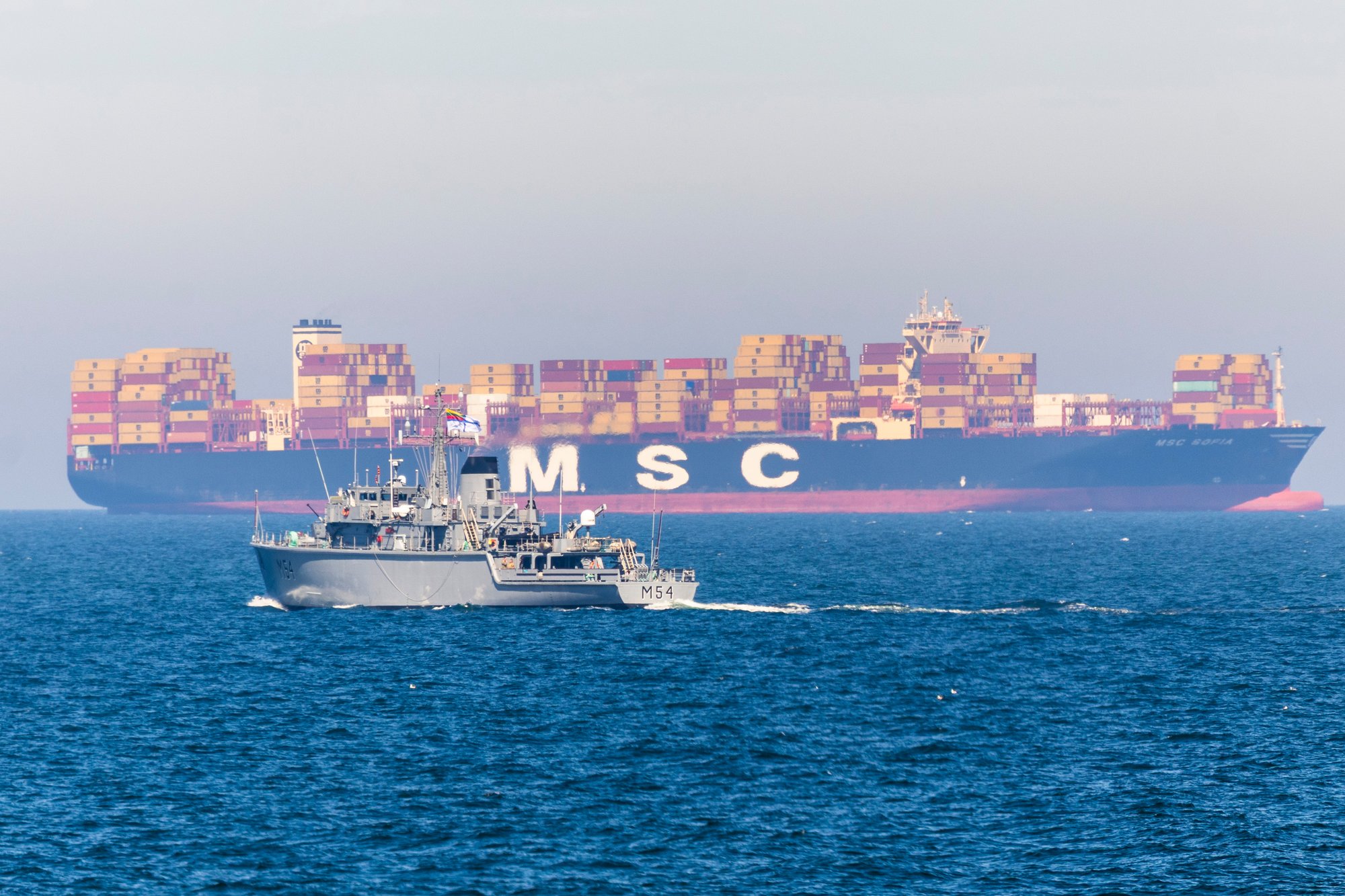
In response to the exceptional security situation in the Middle East, MSC has declared an End of Voyage for shipments destined for ports in the Arabian/Persian Gulf. It has been announced that ongoing traffic will be diverted to a next safe port of discharge, where the cargo will be unloaded and made available for local handling/repair. MSC refers to the contractual conditions (including clause "Special Circumstances") in its Sea Waybill/Bill of Lading.
General picture among other shipping lines :
Several major carriers have temporarily implemented booking stops, capacity restrictions and route adjustments for (parts of) the Gulf region; shipments are diverted and/or unloaded in alternative safe ports where necessary. In addition, we see the introduction of temporary surcharges (e.g. 'war risk'/'emergency'), or the pausing of specific cargo types and certain corridors. These measures change frequently, depending on the security situation and local terminal conditions.
What does this mean for shippers?
Expect adjustments in transit times, possible changes of discharge port, and additional operational steps (local recovery/rescheduling). Seacon continuously monitors carrier advisories and port statuses and helps you directly with scenario planning (rerouting, alternative hubs/modalities) and limiting disruptions in your chain.
Questions or need help?
Contact your Seacon contact or email sales@seaconlogistics.com for the most up-to-date options for your shipments.
10-03-2026 - Source MSC
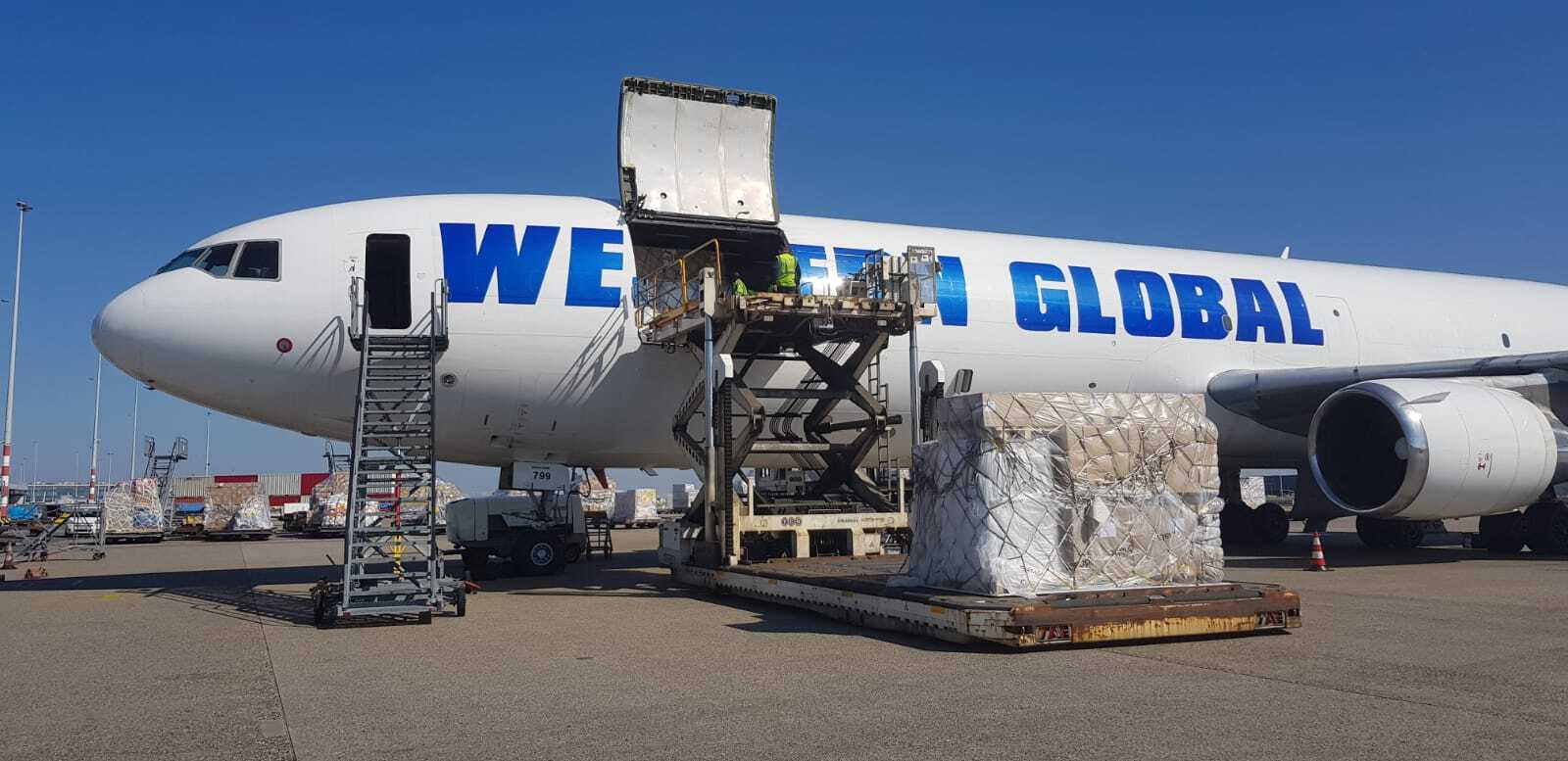
The situation in the Middle East continues to significantly affect the global air freight market. Due to airspace restrictions and disruptions in the Gulf region, several strategic transit hubs have temporarily adjusted or shut down their cargo operations. This leads to a noticeable drop in international air cargo capacity and puts pressure on networks and rates.
According to general market trends, global air cargo capacity has declined recently, with the impact on the Asia-Europe corridor being the greatest due to the elimination of key transfer points in the region. This is causing longer transit times, adjustments in routings and further upward pressure on rates, partly due to rising operating costs and fuel prices.
Despite the challenges in the region, we can continue to organize your air cargo shipments as usual. Our teams actively use alternative routings that avoid closed Gulf hubs, allowing shipments to move through with as little disruption as possible. Thanks to strategic partnerships with carriers unaffected by current restrictions, we remain able to offer reliable capacity and transit times.
To best manage potential cost increases and capacity pressures, we recommend booking scheduled shipments early.
09-03-2026
Due to ongoing disruptions in global sea freight - including the Red Sea situation and shifting volumes to alternative modes - we see clear pressure on the China-Europe rail corridor. Market information and signals from our partners show that trains from the Far East towards Duisburg are already becoming largely full in the short term.
We advise customers with shipments via rail to reserve capacity in good time. Please contact your regular Seacon contact person for current availability and alternative solution options.
09-03-2026
The ongoing situation in the Middle East continues to impact air cargo rates worldwide. With fewer airlines currently operating cargo flights, demand for available cargo space among the remaining carriers has increased significantly, leading to rising rates. Expected fuel shortages are also putting additional pressure on overall costs.
This upward trend is expected to continue for the foreseeable future. To better manage potential cost increases, we recommend that customers book scheduled shipments as early as possible. Booking capacity early increases the likelihood of more favorable rates as market conditions develop.
We will continue to monitor the situation closely and keep you informed as soon as there are new developments.
05-03-2026
Due to recent developments in the Middle East, several shipping companies are adjusting their operations. This may include diverting ships, designating alternative (safe) ports of discharge, and terminating a sailing earlier (End of Voyage) for shipments destined for ports in the Arabian Gulf. These measures may also apply to already released empty containers destined for export to the region.
What could this mean for you?
Do you have shipments to or via the Arabian Gulf?
We recommend contacting us as early as possible for customized advice and planning, so that together we can secure the most secure and efficient solution.
05-03-2026
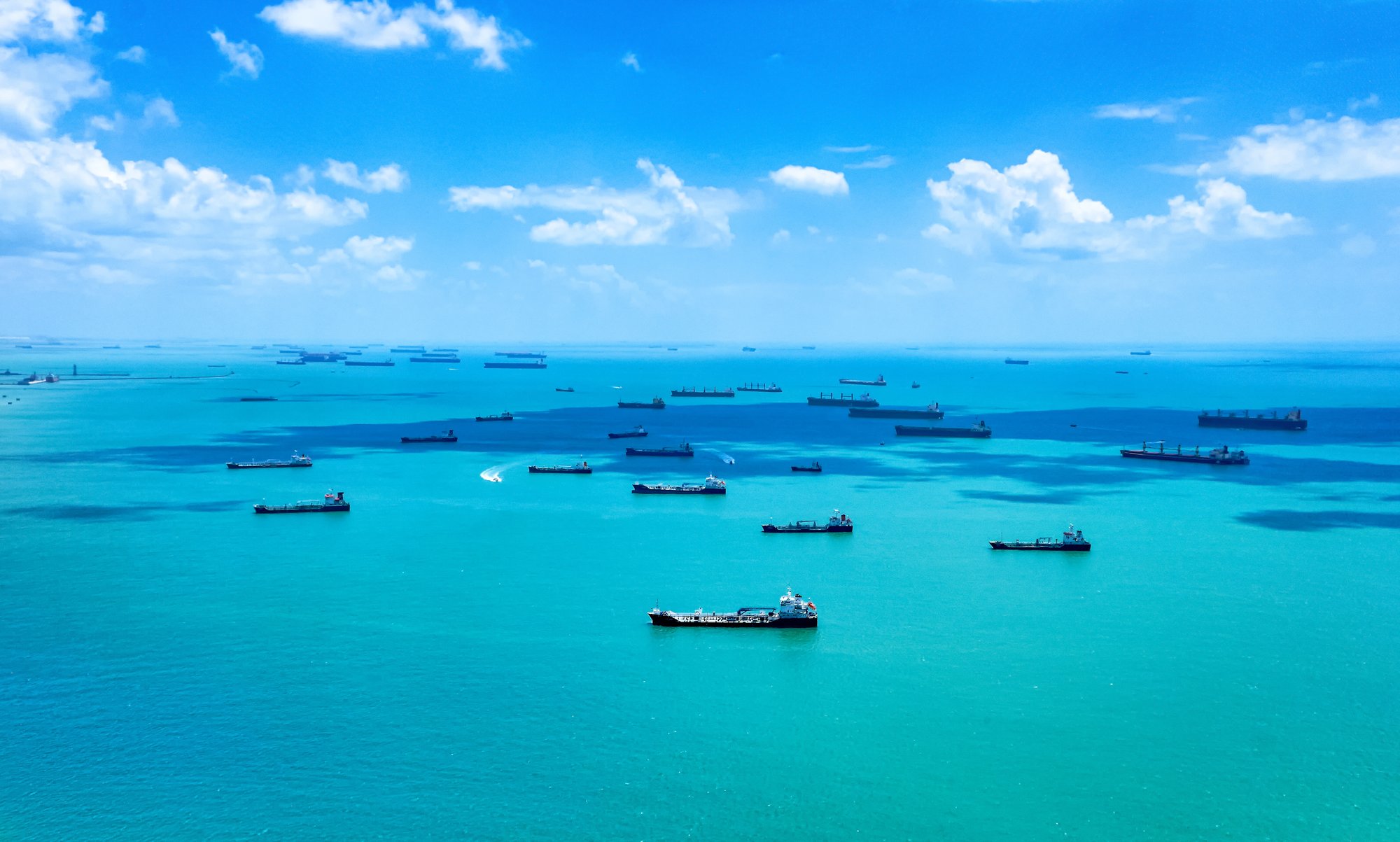
Tensions around the Strait of Hormuz are increasing the risk to maritime cargo traffic to and from the Persian Gulf. Insurers are increasingly limiting their coverage, while security threats are leading to extra caution in shipping. In practice, this results in detour, designation of alternative (safe) ports of discharge and early termination of voyages(End of Voyage) towards destinations in the Gulf region. For shippers, this means potential changes in unloading locations, longer transit times, additional operational actions (handling, temporary storage, local recovery) and the need to reschedule follow-up transport (road/rail/feeder).
In addition, dozens of ships are idle in the Persian Gulf because they dare not cross the Strait of Hormuz for safety reasons. Many shipping companies are avoiding the strait entirely or limiting their services. In some cases, shipments are temporarily suspended; in others, surcharges or adjusted conditions are applied to cover risks and operational detour.
Current market approach by shipping lines & implications
Shipping companies invoke Bill of Lading provisions (incl. force majeure) in these exceptional circumstances and temporarily adjust their booking policies and rate structure. Consider (temporary) booking stops, capacity restrictions, alternative routings and generic surcharges to cover detour and operational risks-where costs and conditions may vary by service and time. For shippers, early coordination is essential: reserve capacity early, consider scenarios for alternative ports and modalities, and secure contractual and operational clarity on a per-shipment basis to reduce time and cost surprises.
Due to ongoing capacity constraints and temporary scaling back of sailings on the Transatlantic corridor, several services are currently facing (temporary) booking stops and fully booked sailings to the United States in the coming weeks (March). This situation creates additional pressure on space availability, equipment and transit times.
Seacon is actively managing the best possible options and will keep you informed of any impact on transit times and rates. For shipments to the US, we strongly recommend timely coordination to avoid unexpected delays.
02-03-2026

Ahead of the new quarter, we see several shipping lines announcing (temporary) Peak Season Surcharges on deep sea corridors with high demand from Europe to the United States. The introduction and start dates vary by service.
Seacon is closely monitoring these developments in the coming weeks and will proactively inform you of which surcharges actually apply, including updates in our rate communications.
02-03-2026
Disclaimer - Operational updates
Seacon periodically publishes operational updates as an additional service for customers seeking a generic view of market conditions. This information is compiled from various publicly available sources and market insights that we consider reliable. Given the dynamic and complex nature of disruptions, information may be incomplete, not current, or different from your specific supply chain.
For the most up-to-date status of your shipments, capacity options and routing: contact your regular Seacon contact or sales@seaconlogistics.com.
Roel Gilbert
Business Solutions Specialist
+31 (0)77 327 5446
rgilbert@seaconlogistics.com
Let's Connect